Hey there, fellow urban homesteaders! Today, I want to chat with you about something close to our food-loving hearts – canning safety. As we embrace sustainable living and self-sufficiency, it’s crucial for us to learn about proper canning techniques.
The Temptation of Rebel Canning
So, here’s the deal… Rebel canning has become quite the trend lately. We see all these groups on Facebook and TikTok sharing unconventional canning methods that might seem exciting and rebellious. But, hold on a sec, let’s not forget that canning isn’t just about preserving food. It’s also about keeping ourselves and our loved ones safe by preventing the growth of harmful bacteria.
Rebel canners are individuals who embrace unconventional methods and disregard traditional guidelines set by organizations like the USDA. You also may have seen them comment online that “this was how my grandma did it and she lived to be 95”.
For some, rebel canning offers a sense of independence and freedom. It allows individuals to explore creative approaches to food preservation, experiment with unique flavors, and reduce waste. Unfortunately, canning is NOT the time for home experimentation. Traditional canning methods have been developed and tested to prevent the growth of harmful bacteria, such as botulism. Straying from these methods could expose individuals to health risks like botulism.
The Basics of Water Bath Canning
Water bath canning is a simple and accessible method that utilizes high heat to kill bacteria and create a seal to preserve foods. It involves submerging jars filled with high-acid foods, such as most fruits, jams, jellies, and pickles, in boiling water for a specified amount of time. The high acidity of these foods helps prevent the growth of harmful bacteria like Clostridium botulinum.
During water bath canning, the boiling water reaches temperatures above 212°F (100°C), effectively destroying bacteria, molds, and yeasts. This process also eliminates enzymes responsible for spoilage, ensuring long-term preservation of the food. As the jars cool, a vacuum seal is created, preventing contamination and extending shelf life.
Understanding Pressure Canning
Pressure canning is suitable for low-acid foods, including vegetables, meat, poultry, and soups. These foods require higher temperatures than can be achieved through water bath canning to eliminate the risk of botulism. Pressure canners are designed to reach temperatures above the boiling point of water, typically around 240°F (116°C) or higher.
In pressure canning, heat and steam build up inside a sealed chamber, creating pressure that raises the temperature and allows for safe preservation. The increased pressure enables the destruction of heat-resistant bacteria and spores that may be present in low-acid foods. The higher temperatures achieved through pressure canning ensure the safety of the preserved food.
Factors to Consider
Both water bath canning and pressure canning require accurate timing and measurement to ensure proper preservation. Following tested recipes and guidelines from trusted sources is crucial to maintain food safety.
When deciding between water bath canning and pressure canning, consider the following:
- Acidity: High-acid foods are suitable for water bath canning, while low-acid foods require pressure canning.
- Safety: Pressure canning eliminates the risk of botulism in low-acid foods by achieving higher temperatures.
- Equipment: Water bath canning requires a large stockpot and rack, while pressure canning necessitates a specific pressure canner.
Note: It is NEVER safe to can flour, eggs, or dairy or recipes that include these ingredients. Yes, I know that there are commercial products available with these ingredients. It’s important to understand that commercial facilities can bring food to higher temperatures faster than what’s possible in a home kitchen. Don’t take a risk, leave these items to the professionals.
Tips for Safe Canning:
- Stick to tested recipes from reliable sources.
- Keep things clean and sanitize your jars and utensils properly.
- Use the right processing methods, like water bath canning or pressure canning, depending on what you’re preserving.
- Never can items like dairy, flour, or eggs. Home kitchens aren’t equipped to can these items.
- Always check for signs of spoilage before diving into your canned goodies.
- Always label your cans before giving them to friends and family.
- Stay up-to-date with the latest canning safety guidelines from trusted sources.
Canning Resources
When it comes to canning, it’s super important to follow trusted recipes. Using recipes found in online groups can be risky. They might miss important steps or contain inaccurate information, which can seriously jeopardize our health. We definitely don’t want to mess around with foodborne illnesses.
If you’re into canning, you’ve probably heard of Ball. These guys have been in the game for over a hundred years, and they know their stuff. Their website is a treasure trove of resources for beginners and seasoned canners alike. They’ve got step-by-step guides, troubleshooting tips, and everything else you need to can with confidence.
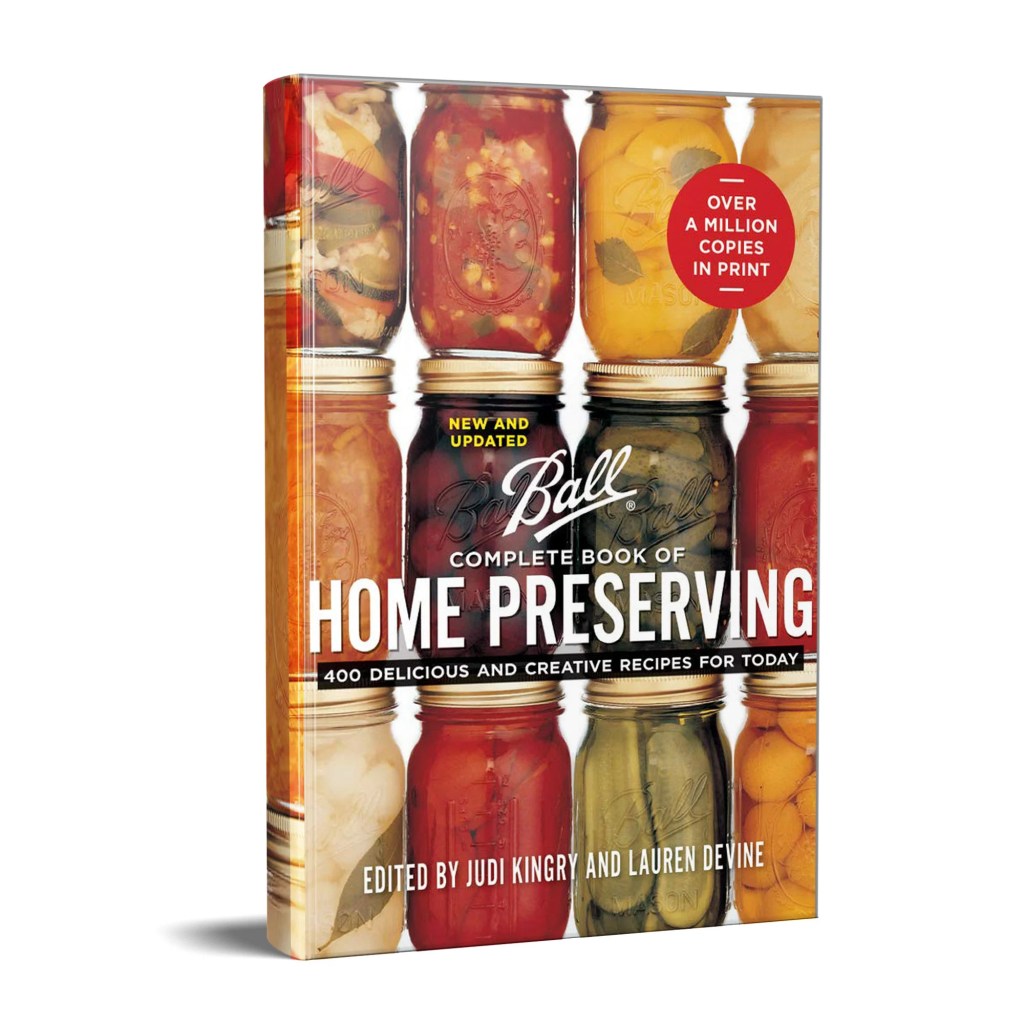
https://www.freshpreserving.com/
Another awesome resource is the National Center for Home Food Preservation, affiliated with the University of Georgia. These folks offer research-based recommendations, recipes, and guidelines to ensure our preservation efforts are not only successful but also safe. They’re definitely worth checking out! https://nchfp.uga.edu
As urban homesteaders, we’re all about self-sufficiency and enjoying the fruits of our labor. But let’s not forget about keeping ourselves and our loved ones safe in the process.
Always remember – safety first! Happy canning!



 Shelf Reliant